Holding Ground: The Resilience of Protected Areas under Institutional Weakening
With Kathryn Baragwanath and Ella Bayi. R&R at Science
Overview
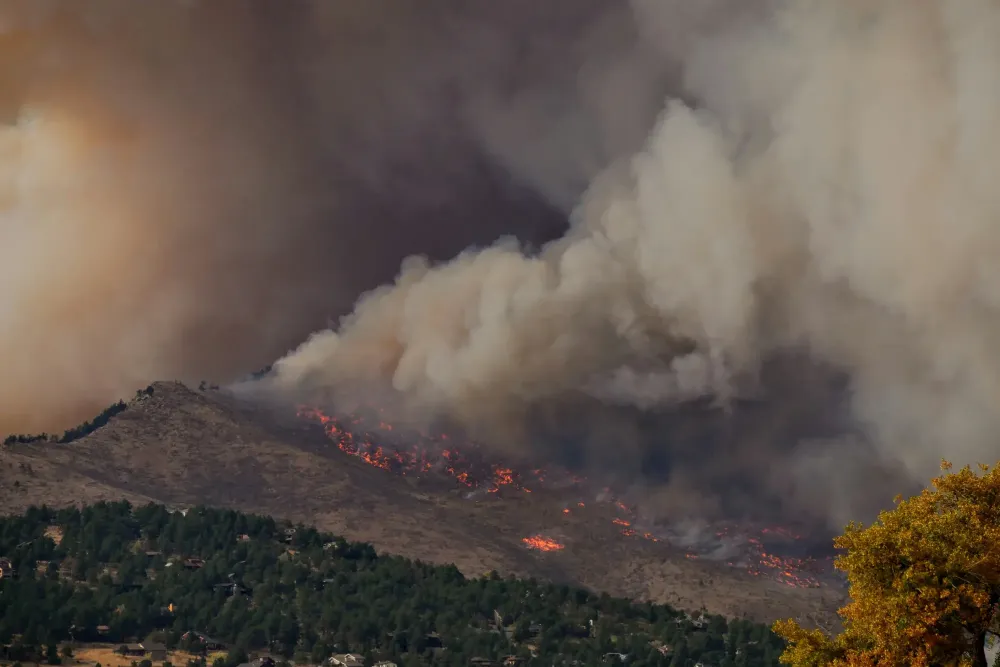
Protected areas are a cornerstone of global conservation policy, yet those located in remote regions are often viewed as inefficient because they protect forests under little immediate threat. This view assumes static institutions and stable land-use patterns. We show instead that the conservation value of protected areas is dynamic and can rise sharply when environmental governance weakens and deforestation pressure expands. Studying Brazil’s Amazon rainforest during two major institutional shocks—the 2012 Forest Code reform and the 2019–2022 Bolsonaro administration—we find that protected areas prevented large increases in
deforestation during periods of institutional decline. Using quasi-experimental evidence from 2004 to 2022, we show that deforestation surged outside protected areas but remained stable within them, particularly in remote regions. Areas previously considered non-additional thus revealed a latent conservation value, functioning as critical bu”ers against governance erosion. These findings have important implications for global conservation strategies and 30×30 commitments.
My Work
Selected Research
My work has appeared in Nature, International Studies Quarterly, and other outlets.
More projects
article
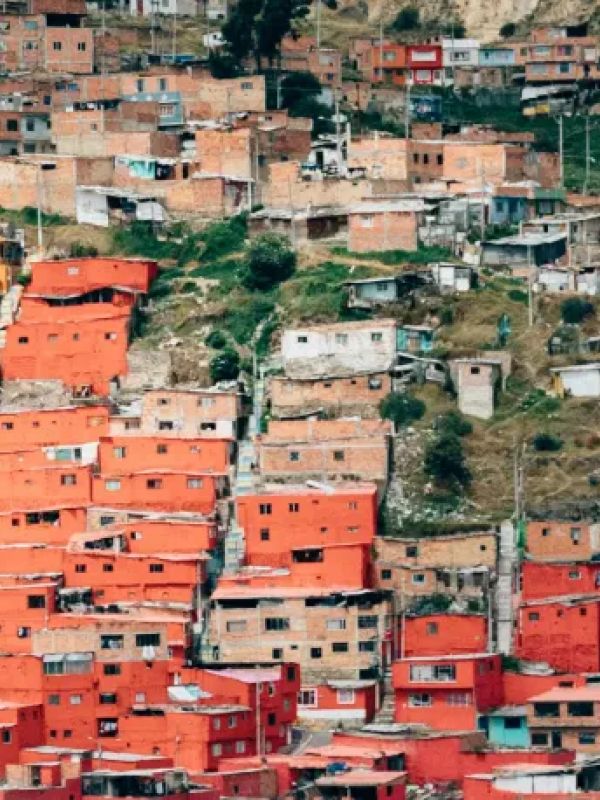
Determinants of Climate Change Risk Perception in Latin America
Climate change risk perceptions are subjective constructs that individuals use to interpret the potential harms of climate change and influence their engagement in mitigation and adaptation efforts. While research in high-income Western countries has identified cognitive processes, socio-cultural factors, and…
 Read more
article
Climate Change and the Shadow of the Future
Young people are expected to bear the most severe consequences of climate change and play a central role in climate activism. Yet political science has paid limited theoretical attention to age as a variable of interest in climate change opinion. This paper revisits the role of age in shaping climate attitudes and…
 Read more
article
Beyond Jobs: Individual Attitudes Toward Foreign Direct Investment
We find that investing firms’ corrupt and environmentally damaging behavior significantly reduces public support for FDI. Recent scholarship shows that public attitudes toward foreign direct investment (FDI) are shaped by non-economic factors such as ethnocentrism, nationalism, and foreign threat perceptions. However,…
 Read more
article
Climate Change Beliefs and their Correlates in Latin America
The ability of climate skeptics to block climate action depends on prevailing beliefs among the public. Research in advanced democracies has shown skepticism about the existence, the causes, and the consequences of climate change to be associated with socio-demographic features and political ideology. Yet, little is…
 Read more
Contact Me
Let's Talk
If you are interested in knowing more about any of my projects or think we have similar interests, please feel free to contact me.