Beyond Jobs: Individual Attitudes Toward Foreign Direct Investment
With Carolina Moehlecke and Matias Spektor. International Studies Quarterly, 69(3), 2025.

Overview
We find that investing firms’ corrupt and environmentally damaging behavior significantly reduces public support for FDI.
Recent scholarship shows that public attitudes toward foreign direct investment (FDI) are shaped by non-economic factors such as ethnocentrism, nationalism, and foreign threat perceptions. However, the influence of socially irresponsible behavior by investing firms on such attitudes remains under-explored. In this research note, we investigate individuals’ preferences regarding socially irresponsible FDI through a conjoint experiment conducted in Brazil, a key destination for international capital inflows in the Global South. We find that investing firms’ corrupt and environmentally damaging behavior significantly reduces public support for FDI, even when respondents are prompted to consider substantial job creation by the firm under challenging economic conditions. This effect persists among high-skilled labor, a group that typically stands to benefit the most from FDI. These findings contribute to our understanding of the determinants of public attitudes toward FDI by highlighting the salience of negative externalities over economic benefits. Ultimately, the study offers a cautionary tale for firms, policymakers, and civil society, underscoring public sensitivity to the social costs of globalization and the potential reputational risks of prioritizing expected economic benefits over responsible conduct.the social group that stands to benefit the most from FDI entry.
My Work
Selected Research
My work has appeared in Nature, International Studies Quarterly, and other outlets.
More projects
article
Climate Change Beliefs and their Correlates in Latin America
The ability of climate skeptics to block climate action depends on prevailing beliefs among the public. Research in advanced democracies has shown skepticism about the existence, the causes, and the consequences of climate change to be associated with socio-demographic features and political ideology. Yet, little is…
 Read more
article
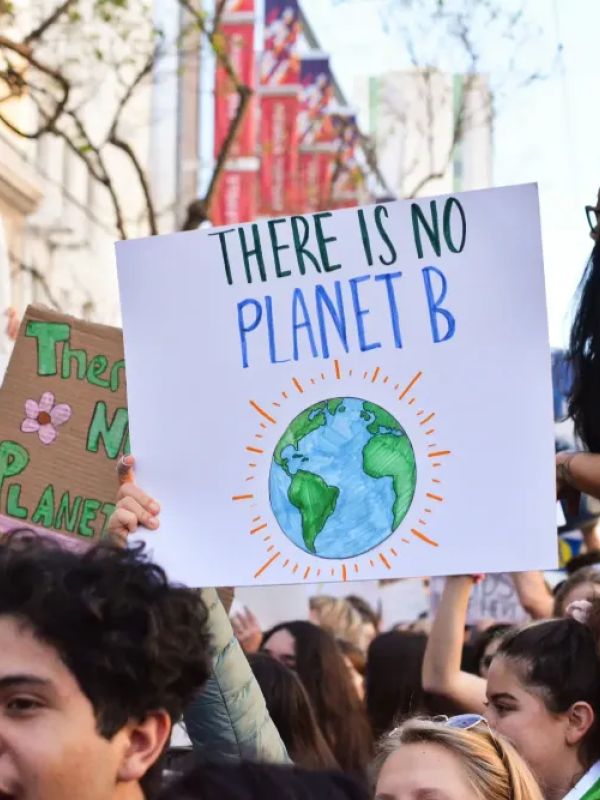
Nationalist Backlash Against Foreign Climate Shaming
Should international pro-climate actors speak up against climate rogues, or do foreign critics risk igniting nationalist backlash against global environmental norms and institutions? We explore naming and shaming dynamics in global climate politics by fielding survey experiments to nationally representative samples in…
 Read more
working paper
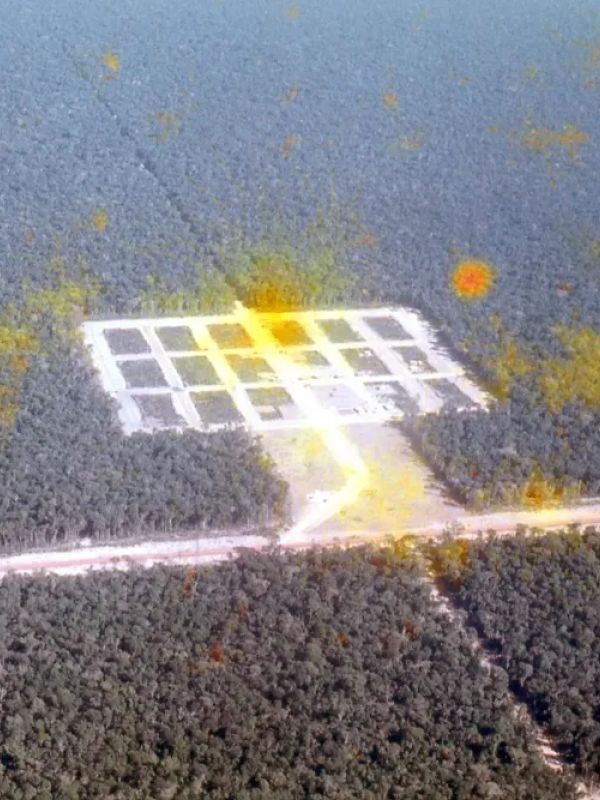
Capital-Intensive Agriculture and Development in Agricultural Frontiers
Conventional wisdom holds that frontier regions in developing countries are characterized by weak states and dominated by clientelistic elites. Yet substantial variation in local state capacity exists even within the countryside. What explains these differences? This paper advances a new explanation for the…
 Read more
working paper
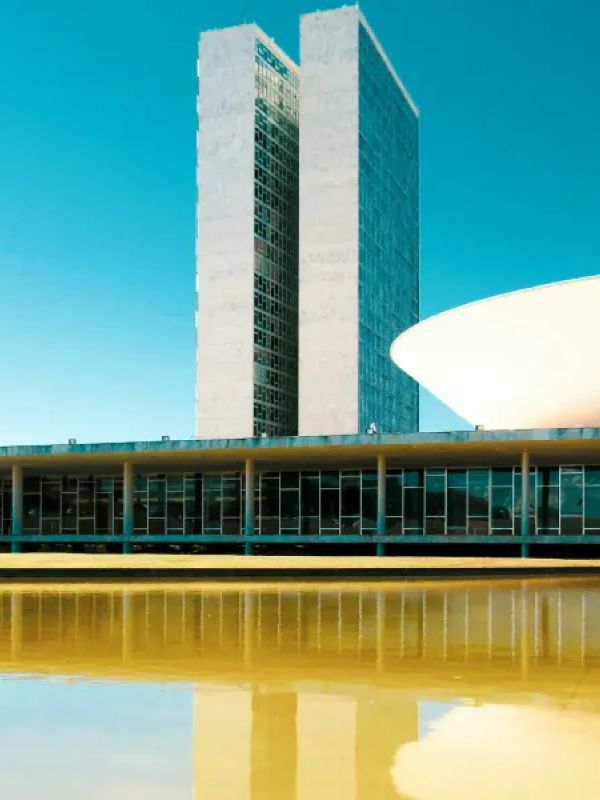
Climate Change and Inequalities in Political Entry: Evidence from Brazil
The repercussions of climate change, along with the associated events, often exacerbate existing political, economic, and social inequalities. This study delves into the influence of extreme weather events on the decision to pursue a political career in Brazil, a nation that encompasses more than half of the Amazon…
 Read more
Contact Me
Let's Talk
If you are interested in knowing more about any of my projects or think we have similar interests, please feel free to contact me.