Climate Change Beliefs and their Correlates in Latin America
With Matias Spektor and Juliana Camargo. Nature Communications 14 (7241), 2023.
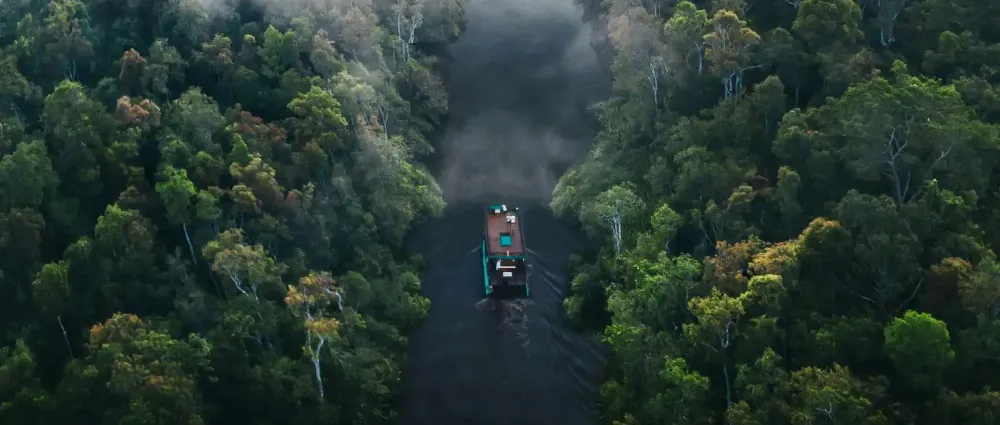
Overview
The ability of climate skeptics to block climate action depends on prevailing beliefs among the public.
Research in advanced democracies has shown skepticism about the existence, the causes, and the consequences of climate change to be associated with socio-demographic features and political ideology. Yet, little is known about climate-related beliefs elsewhere. We address this gap by mapping beliefs in climate change and their correlates in Latin America. We show skepticism over the existence and anthropogenic origins of climate change to be limited, but identify a high number of skeptics around the severity of its consequences.
Furthermore, we show skepticism to be correlated with psychological rather than socio-political factors: individualistic worldviews in particular drive disbelief in the severe consequences of climate change, a worrying finding in contexts where social trust is low. These findings offer a starting point for better addressing the constraining effects of climate skepticism in the Global South.
My Work
Selected Research
My work has appeared in Nature, International Studies Quarterly, and other outlets.
More projects
article
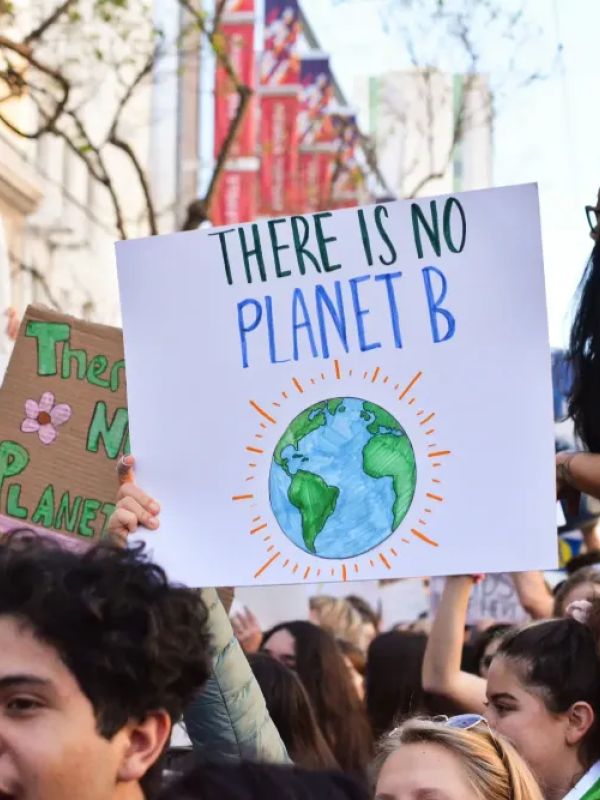
Nationalist Backlash Against Foreign Climate Shaming
Should international pro-climate actors speak up against climate rogues, or do foreign critics risk igniting nationalist backlash against global environmental norms and institutions? We explore naming and shaming dynamics in global climate politics by fielding survey experiments to nationally representative samples in…
 Read more
working paper
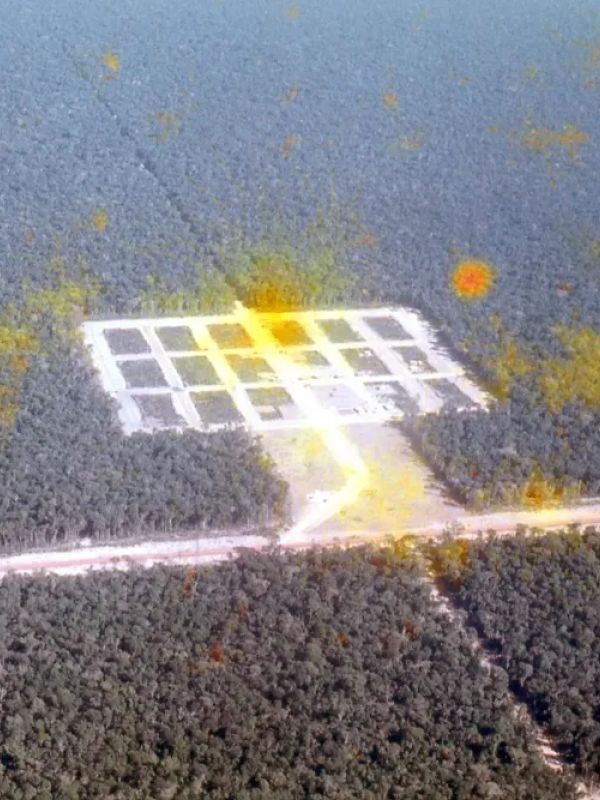
Capital-Intensive Agriculture and Development in Agricultural Frontiers
Conventional wisdom holds that frontier regions in developing countries are characterized by weak states and dominated by clientelistic elites. Yet substantial variation in local state capacity exists even within the countryside. What explains these differences? This paper advances a new explanation for the…
 Read more
working paper
Climate Change and Inequalities in Political Entry: Evidence from Brazil
The repercussions of climate change, along with the associated events, often exacerbate existing political, economic, and social inequalities. This study delves into the influence of extreme weather events on the decision to pursue a political career in Brazil, a nation that encompasses more than half of the Amazon…
 Read more
working paper
Oil Windfalls and a Conditional Political Resource Curse: Evidence from a Natural Experiment in Brazil
Do natural resource windfalls affect democratic outcomes? We argue that the effect of such revenues on democratic outcomes is conditioned by the strength of political institutions. Where institutions are weak, natural resource revenues are diverted towards clientelistic practices, which increase incumbent reelection…
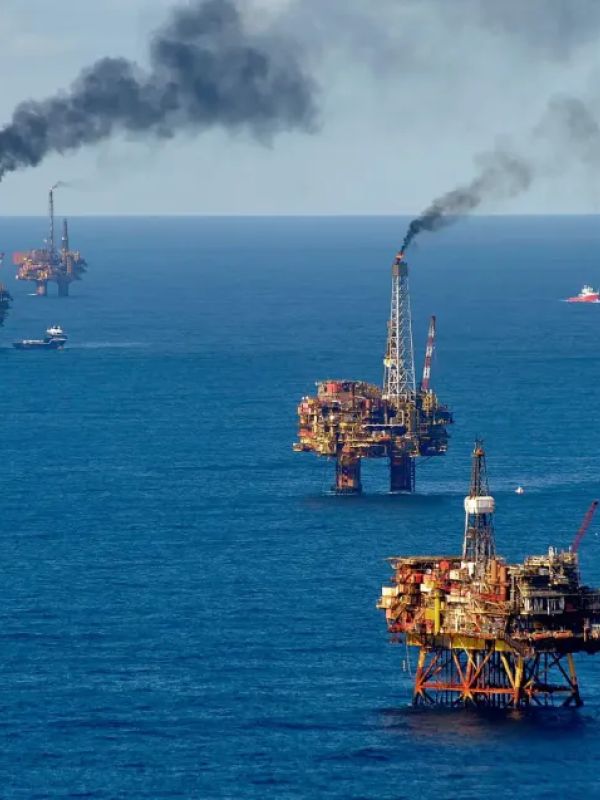 Read more
Contact Me
Let's Talk
If you are interested in knowing more about any of my projects or think we have similar interests, please feel free to contact me.